Stockwell removals planning for narrow streets and parking limits
Moving home or business in Stockwell can feel deceptively simple on paper. Then you arrive and realise the street is tight, the bay is full, the van is longer than expected, and somebody has already squeezed their car into the only sensible space. That is exactly where Stockwell removals planning for narrow streets and parking limits becomes the difference between a calm move and a very long day.
To be fair, Stockwell is not the only part of London where access is tricky, but it does have the sort of streets that reward good preparation and punish guesswork. In this guide, we will walk through how to plan properly, what usually goes wrong, and how to make the day smoother whether you are moving a flat, a family home, or a small office. We will also cover vehicle choice, loading strategy, parking considerations, and the practical little decisions that matter more than people expect.
If you are comparing services while planning the move, it can help to look at options such as home moving support, house removalists, or a flexible man and van service depending on the size and access at your property.
Table of Contents
- Why Stockwell removals planning for narrow streets and parking limits Matters
- How Stockwell removals planning for narrow streets and parking limits Works
- Key Benefits and Practical Advantages
- Who This Is For and When It Makes Sense
- Step-by-Step Guidance
- Expert Tips for Better Results
- Common Mistakes to Avoid
- Tools, Resources and Recommendations
- Law, Compliance, Standards, or Best Practice
- Options, Methods, or Comparison Table
- Case Study or Real-World Example
- Practical Checklist
- Conclusion
- Frequently Asked Questions
Why Stockwell removals planning for narrow streets and parking limits Matters
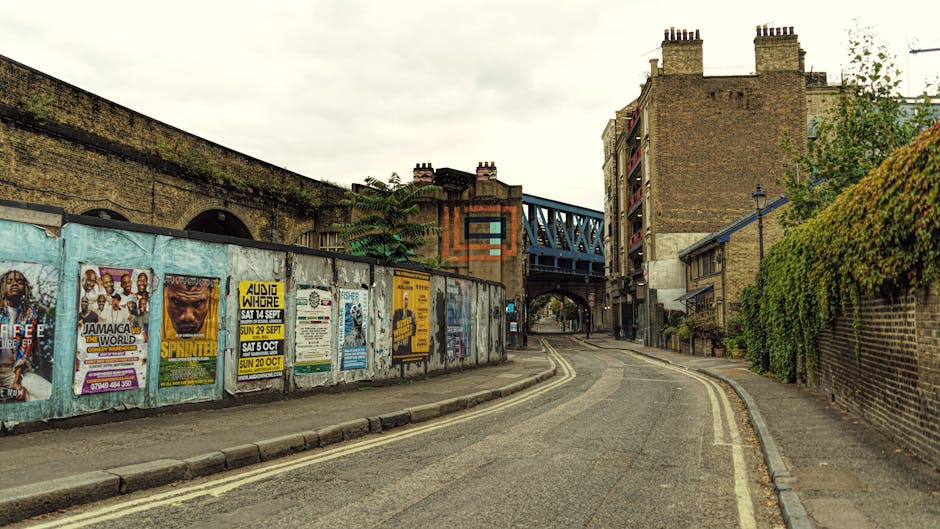
Stockwell's charm is part of the problem. The area has plenty of terraces, converted flats, mansion blocks, side roads, and busy local traffic. Lovely to live in, less lovely when a 3.5-tonne vehicle is trying to reverse into a street with barely enough room for a hatchback and a scooter. If the vehicle cannot get close enough, every item has to be carried further. That adds time, strain, and risk.
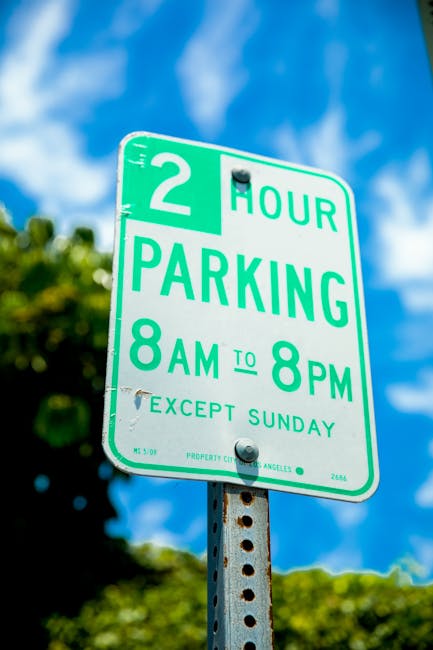
Parking limits matter just as much. If you assume you can simply stop outside the property, you may end up with double parking, a blocked lane, or a van circling the block while everyone gets frustrated. The knock-on effect is not just delay. It can also mean missed elevator slots, extra labour, longer loading times, and a move that feels twice as hard as it should.
Good planning is especially useful for:
- top-floor flats with no lift
- streets with resident-only bays or short stay restrictions
- busy roads where stopping briefly still causes problems
- properties with awkward entrances, steps, or basement access
- moves involving larger furniture, fragile items, or multiple trips
And here is the real point: narrow streets do not automatically mean a move will be difficult. They just mean the plan has to be smarter. That is a very different thing.
How Stockwell removals planning for narrow streets and parking limits Works
Planning for a tight-access move usually starts before the boxes are packed. A good removal team will look at the property type, the road layout, and the best vehicle size for the job. They will also think about where the vehicle can wait, whether parking close to the entrance is realistic, and how far furniture will need to be carried.
In practical terms, the process often includes a few simple but important steps:
- Assess the access - check the width of the road, turning space, nearby junctions, overhanging trees, and any parked cars that usually make things tighter.
- Match the vehicle to the property - sometimes a smaller van is the smarter choice, even if it means more than one run.
- Plan the parking position - the aim is to reduce walking distance without causing disruption.
- Set the loading order - bulky furniture and awkward items should be ready first, with essentials kept accessible.
- Build a timing buffer - because in London, there is always one unpredictable factor. Usually two.
For business premises, the thinking is similar but the stakes can be higher. Office relocation often needs a more structured approach because desks, IT equipment, files, and furniture all have different handling needs. If that sounds familiar, it may be worth looking at office relocation services or, for larger premises, commercial moves.
For especially bulky items or if the route requires a sturdier vehicle, a dedicated moving truck or removal truck hire may be the right fit. The key is not to default to the biggest option. Bigger is not always better on a tight Stockwell street.
Key Benefits and Practical Advantages
When the planning is done well, the benefits are immediate and very real. The day feels calmer. The team moves faster. And you are less likely to end up with scratches on walls, strained backs, or that sinking feeling when a sofa gets stuck at the building entrance.
- Less delay - no wasted time hunting for parking or manoeuvring repeatedly.
- Lower risk of damage - shorter carrying distances reduce the chance of bumped corners and dropped items.
- Better cost control - the fewer delays and extra trips, the easier it is to stay within budget.
- Less stress on moving day - which, honestly, is worth its weight in boxes.
- More predictable timing - especially useful if you have lease handover times, childcare, or building access windows.
There is also a less obvious benefit: better communication. Once the access problem is understood, everyone involved can make better decisions. The mover knows what vehicle to send. You know what to prepare. The move becomes organised rather than reactive. That is a big difference.
Expert summary: In Stockwell, the best removals plan is usually not the one with the fanciest equipment. It is the one that matches the street, the parking reality, and the size of the property with enough flexibility to handle last-minute changes.
Who This Is For and When It Makes Sense
This kind of planning is not only for complicated moves. Truth be told, almost anyone moving in Stockwell can benefit from it. But it is especially useful if any of the following apply.
- You live on a narrow residential road or one-way street.
- Your building has limited loading access or a shared entrance.
- Parking near your property is frequently occupied.
- You have heavy furniture, white goods, or fragile items.
- Your move must fit into a short time window.
- You are moving from a basement, mews-style property, or upper-floor flat.
- You are relocating a shop, studio, or office where speed matters.
It also makes sense for smaller loads where a full lorry would be overkill. In those cases, a man with van option can be a good compromise: enough support for lifting and transport, but still nimble enough for restricted streets.
And if you only need help with a few items, such as a sofa, bed frame, or dining table, a more targeted service like furniture pick up may be the cleanest solution. Not every move needs a grand production.
There are days when a tiny service feels almost luxurious because it simply fits the job. You will notice that straight away.
Step-by-Step Guidance
If you want a practical way to approach Stockwell removals planning for narrow streets and parking limits, use this order. It keeps the moving day under control without making the process more complicated than it needs to be.
1. Survey the access honestly
Walk the route from the property entrance to the street. Look for tight bends, steps, low walls, narrow hallways, and the actual distance from the front door to the nearest sensible stopping point. Do not guess. A two-minute walk beforehand can save a two-hour headache later.
2. Identify parking options early
Check what is usually available directly outside, nearby, or around the corner. In many London areas, the difference between a smooth load and a miserable one comes down to a single bay or a workable stopping point. If possible, plan for more than one parking option in case your first choice is taken.
3. Choose the right vehicle size
For some Stockwell streets, a medium van is better than a bigger truck because it can approach the property more easily. For others, a larger vehicle reduces the number of trips and saves time. It depends on the load, the street, and how far the team will need to carry items. Slightly annoying answer, maybe, but true.
4. Prepare the property
Move smaller items out of the way, protect hallways where possible, and make sure the route is clear. If you are packing yourself, keep essentials separate and label fragile boxes plainly. A tidy exit route is not glamorous, but it is massively helpful.
5. Pack for access, not just storage
Boxes should be manageable in weight. Oversized, overfilled boxes are awkward in narrow stairwells and awkward on pavements too. If you need help with this part, packing and unpacking services can reduce the pressure and make items easier to move efficiently.
6. Load in the right order
Put the most difficult or fragile items where they can be reached safely. Keep essentials, documents, and anything you may need first near the end of the load. If there is a short carry from van to door, loading order matters even more because repeated lifting adds up quickly.
7. Build in buffer time
Parking uncertainty, traffic, and the occasional blocked entrance are part of London life. Annoying, yes. Rare, no. Allow a cushion so the move does not collapse the moment something takes longer than planned.
Expert Tips for Better Results
A few small choices can make a big difference on a tight-access move. These are the things experienced movers tend to think about almost automatically.
- Move the day, not just the boxes. Think about the whole flow: arrival, parking, access, load, exit, and final placement.
- Keep one person free for parking coordination. If possible, have someone ready to guide the vehicle or hold a space while the team finishes loading.
- Use protective materials generously. Narrow hallways and painted corners are not a good combination. Padding is your friend.
- Disassemble awkward furniture in advance. Beds, shelving, and large tables become much easier to handle when broken down properly.
- Tell the mover about all access issues, even the small ones. The "small" issue is often the thing that slows everything down.
- Do a final street check on the day. Morning parking can look very different from the previous evening. Bit of a nuisance, but useful.
One more thing: if you have a lot of medium-sized items rather than a few huge ones, a compact move often works better than forcing everything into one oversized vehicle. The street decides a lot in Stockwell. Not you, not the van, the street.
Common Mistakes to Avoid
Most moving problems in narrow streets are preventable. They usually come from assumptions rather than bad luck.
Assuming parking will just work out
This is the classic mistake. People arrive hoping for a convenient bay, then spend twenty minutes circling while time disappears. Always have a plan B.
Choosing the wrong-sized vehicle
A van that is too large can create access problems; a van that is too small can create multiple trips. Either way, the day drags. Match the vehicle to the street, not just the volume of belongings.
Forgetting about carry distance
Sometimes the actual challenge is not the road, it is the long carry from the nearest stopping point. That extra walk changes the whole pace of the move, especially with heavy furniture.
Packing boxes too heavy
Heavy boxes are awkward enough on a wide driveway. In a narrow Stockwell stairwell, they become a real problem. Keep box weights sensible, especially for books and kitchen items.
Leaving access details until the last minute
If the mover only learns about a tight courtyard, a low arch, or a steep entrance on moving day, there is very little room to adapt. Share the awkward details early. That is what they are for.
Not separating essential items
When the van is parked awkwardly and the move is moving fast, the last thing you want is to hunt for keys, chargers, medication, or paperwork. Keep essentials obvious and close.
Tools, Resources and Recommendations
You do not need a complicated toolkit, but a few practical items make narrow-street moves much easier.
- Measuring tape - useful for checking furniture widths, stair turns, and awkward doorways.
- Furniture blankets and covers - helpful for protecting both items and walls.
- Marker pens and labels - clear box marking speeds up unloading and reduces confusion.
- Gloves with grip - a small thing, but on damp London mornings they help more than you would think.
- Plastic wrap or straps - useful for keeping drawers and loose parts secure.
- Boxes in mixed sizes - not all boxes should be huge. In fact, most should not be.
For many readers, the best resource is actually a properly scoped moving service rather than another gadget. If the move is small and access is tight, man with van support can be efficient. If the move is larger or includes heavier household furniture, a service built around house removalists may be better suited.
For old sofas, wardrobes, or a single bulky item that needs collecting without the fuss of a full move, the furniture pick up page is also worth a look. Simple is often best.
Law, Compliance, Standards, or Best Practice
Moving in Stockwell usually means working within normal UK road and parking expectations, plus whatever local restrictions apply to the street. That may include resident bays, loading rules, time-limited spaces, single yellow lines, or access considerations near schools and busy junctions. Because restrictions can change by street, it is sensible to verify details rather than rely on memory or what "usually" happens there.
Good practice also means avoiding unnecessary obstruction. Even a short stop can cause problems if the vehicle blocks traffic, prevents other residents from passing, or makes it hard for pedestrians to get by safely. In a busy London area, considerate parking is not just polite; it is part of a low-stress move.
Removal teams also tend to follow industry common sense rather than fancy theory: plan access, reduce manual handling strain, protect items properly, and keep communication clear. If a job involves lifting heavy or awkward items up stairs, the team should pace the work sensibly and not try to rush unsafe movements. That sounds obvious. Yet here we are.
If you are moving business equipment or office contents, it may also help to think about internal continuity and data protection in plain terms. Secure file handling, careful packing of IT equipment, and controlled access to sensitive items are all part of a professional relocation approach. For that kind of move, office relocation services can provide a more structured setup.
Options, Methods, or Comparison Table
Different moves need different approaches. The right choice depends on how much you are moving, how tight the street is, and how much parking flexibility you actually have.
| Move type | Best fit | Why it works in Stockwell | Watch out for |
|---|---|---|---|
| Small flat move | Man and van | Flexible, easier to position on narrow streets | May require more than one trip if the load is bigger than expected |
| Standard house move | House removalists | Better for larger loads, furniture, and organised loading | Needs more careful access planning if road space is limited |
| Bulky furniture collection | Furniture pick up | Efficient for single items or a few large pieces | Check stairwells, corners, and turning space in advance |
| Office relocation | Commercial moves or office relocation services | Structured planning helps reduce disruption | Needs good timing, equipment labelling, and parking coordination |
| Large volume, mixed contents | Removal truck hire or moving truck | Useful when the load is substantial and parking can be managed | May be harder to position on a very tight street |
The table is not a rulebook, just a practical way to compare approaches. A very small street may still favour a smaller van, even for a bigger move, if there is no realistic place to stop a larger truck. Sometimes the less dramatic option is the smarter one.
Case Study or Real-World Example
Imagine a third-floor flat in Stockwell with a narrow stairwell, a shared front entrance, and only intermittent parking near the building. The household has a sofa, a double bed, a washing machine, several medium boxes, and a couple of fragile lamps. Nothing extreme, but enough to cause trouble if the plan is loose.
With tight parking, the first decision is not the biggest van available. It is the most sensible vehicle for the street. A compact or medium van can often get closer to the entrance and reduce the carrying distance. Next comes the loading order: the heavy appliance, furniture, and awkward items go in first, with boxes packed by room and marked clearly. The stairwell is protected, the route is cleared, and one person is ready to help coordinate parking if needed.
What usually makes the difference here is timing. If the van is parked well before the main loading rush, the whole job feels smoother. If the move starts late and the street is already busy, everything feels rushed. Same flat, same belongings, very different experience. That is the reality of access-sensitive moving.
In one typical scenario, the team may even decide that an extra small trip is better than forcing a larger vehicle into a poor space. Not glamorous, not dramatic, just efficient. And honestly, the best moves are often a bit boring in the right way.
Practical Checklist
Use this checklist a day or two before the move. It is simple, but it covers the stuff that most often causes trouble.
- Confirm the moving date and access time.
- Check the street for width, turns, and regular parking patterns.
- Decide whether a van, truck, or smaller vehicle makes the most sense.
- Measure any awkward furniture or bulky items.
- Break down beds, tables, or shelving if possible.
- Label boxes by room and note fragile items clearly.
- Pack essential items separately.
- Clear hallways, entrances, and the main route to the door.
- Protect floors and corners where needed.
- Prepare a parking backup plan.
- Keep phones charged and key contacts easy to reach.
- Allow extra time for loading and unloading.
Quick takeaway: if the street is narrow, the move should be planned around access first and volume second. That single shift in thinking saves a lot of hassle.
If you are still deciding what type of help you need, the safest next step is usually to compare the size of the job with the access available. For a very simple move, man and van support may be enough. For larger family moves, a more complete home moves service can take pressure off the day.
Conclusion
Stockwell removals planning for narrow streets and parking limits is really about respecting the reality of the location. The street shape, the parking restrictions, the vehicle choice, and the carrying distance all matter. Once you accept that, the rest becomes much easier to organise.
The best moves in this part of London are usually the ones that feel unhurried, even if they are carefully timed. That comes from clear access planning, the right service choice, and a willingness to adapt if the street is less forgiving than expected. Not every move will be picture-perfect. But it can still be calm, efficient, and manageable.
And if you prepare properly, that first box through the front door tends to feel like a small victory. Which, on moving day, is no small thing.
Get a free quote today and see how much you can save.
Frequently Asked Questions
What makes removals in Stockwell harder than in wider streets?
Narrow roads, limited parking, and busy local traffic can make it difficult for a removal vehicle to stop close to the property. That usually means more carrying, more coordination, and more chance of delay if the move is not planned well.
Should I choose a van or a truck for a Stockwell move?
It depends on the size of the load and the access. A smaller van is often easier on tight streets, while a larger truck can save trips if parking and turning space are workable. The street should guide the decision, not just the volume of belongings.
How far in advance should I plan parking for moving day?
As early as you can. Even if there is no special reservation system involved, checking access and understanding likely parking conditions before the day gives you a much better chance of avoiding problems.
What if the parking space outside my building is already taken?
Have a backup stopping point in mind. A few extra metres of carry is far better than losing time circling repeatedly. A good mover will adapt, but it helps if you know the nearby options too.
Can a man and van service work for narrow Stockwell streets?
Yes, often very well. Smaller vehicles can be easier to position and are usually less stressful in restricted roads. For lighter or medium-size moves, it can be one of the most practical solutions.
What should I tell the removal team before the move?
Tell them about road width, parking limits, steps, narrow hallways, floor level, lift access, and any awkward furniture. The more accurately they understand the layout, the better they can plan the vehicle and timing.
Is it worth using packing help for a tight-access move?
Usually yes, especially if you have fragile items or lots of boxes. Proper packing makes loading easier, reduces the risk of damage, and helps the team carry items more safely through narrow spaces.
What are the most common delays in Stockwell removals?
Parking uncertainty, blocked access, poor vehicle choice, and heavy items that were not dismantled in advance. A bit annoying, but all of it is avoidable with decent preparation.
How do I know if I need house removalists rather than a smaller service?
If you are moving a full household, have several large furniture items, or need a more structured loading process, house removalists are often the better fit. Smaller services tend to work best for compact moves or simpler loads.
What can I do to make moving day less stressful?
Pack in advance, label clearly, clear the route, choose the right vehicle, and allow extra time. Also, keep essentials separate so you are not searching for them at the exact moment everything else is happening.
Do office moves in Stockwell need a different approach?
Yes. Office relocation usually needs more structure, especially for IT equipment, files, and furniture. Timing, access, and careful handling matter even more because business disruption is usually the main thing you want to avoid.
Where should I go next if I want help organising the move?
You can review the most relevant service options on the site and decide what matches the size and access of your property. If you want to learn more about the team, the about us page is a sensible place to start, or you can head to contact us when you are ready to discuss the details.